
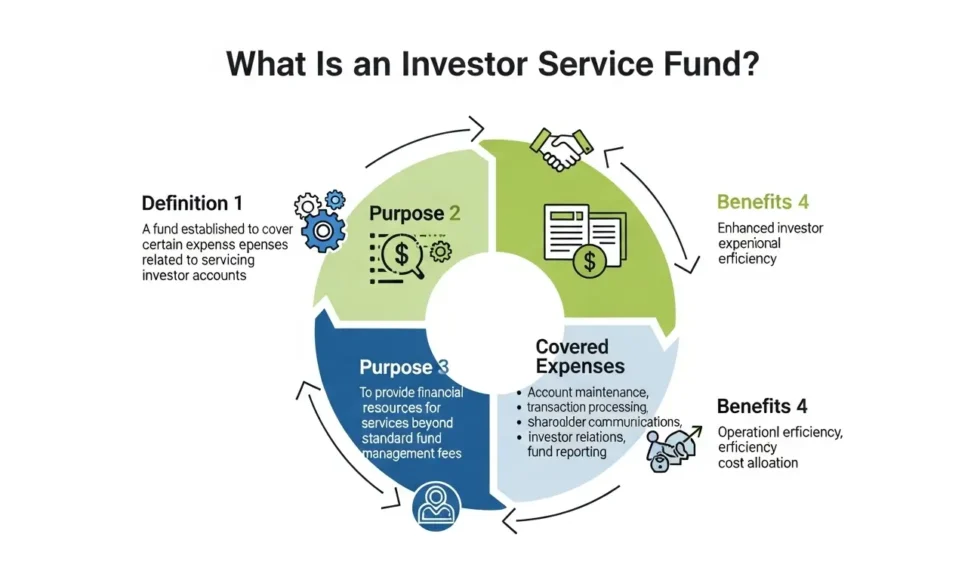
For serious investors, access to capital alone is rarely enough. The real difference often lies in how investment opportunities are structured, evaluated, managed, and supported over time. This is where an investor service fund becomes especially relevant.
An investor service fund is not simply a pool of money waiting to be deployed. It is typically a professionally managed financial structure designed to support investors through strategic capital placement, project evaluation, financing coordination, risk management, and operational oversight. In many cases, it acts as a bridge between investors and viable opportunities, particularly in sectors where expertise, due diligence, and financial structuring are essential.
In a market like Panama, where local and international investors often explore cross-border opportunities, private funding structures, and asset-backed ventures, understanding how an investor service fund works can help investors make more informed and commercially sound decisions.
This article explains what an investor service fund is, how it operates, and why it plays a growing role in professional investment planning.
Understanding the Meaning of an Investor Service Fund
At its core, an investor service fund is a structured financial vehicle or investment support framework designed to facilitate and manage investor participation in selected opportunities. Unlike a basic investment account or a passive pooled fund, this type of structure often includes a broader layer of professional services around the investment itself.
That means the focus is not only on where capital is placed, but also on how the opportunity is sourced, assessed, protected, financed, and managed.
In many cases, an investors service company may use this type of fund model to help clients access professionally reviewed projects, private opportunities, or strategic financial arrangements that require more than standard investment execution.
This makes investor service funds especially relevant in environments where investors are seeking:
- Better visibility into where capital is going
- Professional handling of complex transactions
- Risk-conscious investment support
- Access to specialized financing structures
- Long-term strategic asset positioning
Rather than functioning as a generic investment product, an investor service fund is often part of a broader capital support ecosystem.
How an Investor Service Fund Typically Works
An investor service fund usually operates through a managed framework where investor capital is aligned with selected projects, financial instruments, or commercial opportunities. The management team or sponsor behind the fund typically performs a central role in evaluating and coordinating the investment lifecycle.
Capital Pooling and Allocation
Like other fund models, investor capital may be pooled into a centralized structure. This capital is then allocated based on the fund’s strategy, risk profile, and target sectors.
Depending on the structure, the fund may support:
- Real estate-backed opportunities
- Business expansion projects
- Private development funding
- Strategic lending arrangements
- Cross-border commercial transactions
The key distinction is that the fund is often paired with professional investor support services rather than operating as a purely passive allocation vehicle.
Due Diligence and Opportunity Review
One of the most important functions of an investor service fund is opportunity assessment. Before capital is deployed, projects or transactions are generally reviewed from a legal, financial, and commercial standpoint.
This process may include:
- Sponsor or borrower evaluation
- Cash flow analysis
- Asset review
- Market viability assessment
- Risk identification
- Transaction structuring
This level of review is especially important in private market opportunities where investors may not have direct access to internal business information or operational visibility.
Ongoing Oversight
After capital is placed, the fund may continue to provide performance monitoring, project oversight, reporting, and strategic coordination. This gives investors a stronger operational framework and helps improve accountability over the life of the investment.
For investors who prefer structured support over fragmented deal participation, this can be a major advantage.
What Makes It Different From a Traditional Investment Fund?
A traditional investment fund usually focuses primarily on capital deployment and portfolio performance. An investor service fund, on the other hand, often combines investment management with transaction support and investor facilitation.
That difference matters.
While a traditional fund may simply buy financial assets according to a strategy, an investor service fund may be involved in the full process surrounding an opportunity, from review and structuring to financing coordination and risk protection.
This makes it more suitable for investors who are looking for a higher-touch, professionally guided experience.
Why Investor Service Funds Matter in Professional Investment Planning
For many investors, especially those entering private or structured markets, the challenge is not finding opportunities. It is identifying the right opportunities and entering them with the right protections in place.
This is why investor service funds are increasingly relevant for individuals, companies, and groups seeking disciplined capital placement.
They Reduce Operational Complexity
Investing in private or commercially structured opportunities can involve legal review, capital coordination, collateral analysis, timeline management, and third-party negotiations. An investor service fund can help centralize these moving parts under one strategic framework.
They Support Better Decision-Making
Professional oversight allows investors to make decisions based on more than marketing claims or surface-level projections. This is particularly important where capital commitments are significant or opportunities involve multiple stakeholders.
They Improve Access to Specialized Opportunities
Some opportunities are not easily accessible through public markets or standard investment channels. An experienced investors service company can help investors evaluate and enter more sophisticated transactions with greater confidence and structure.
Common Areas Where Investor Service Funds Are Used
Investor service funds are often used in sectors where transactions require more than simple equity placement. They are particularly relevant in commercial, development, and asset-backed environments.
Real Estate and Transitional Property Finance
One of the most common applications is in real estate-related transactions, especially where short-term capital is needed to secure, reposition, or complete a property deal.
This is where relationships with commercial bridge loan lenders often become relevant.
Bridge financing is typically used when speed and flexibility are needed, such as during acquisitions, refinancing transitions, development gaps, or time-sensitive commercial closings. In these situations, an investor service fund may support capital participation, transaction structuring, or risk-managed placement linked to the financing arrangement.
For investors, this creates exposure to professionally reviewed opportunities that may be tied to tangible assets and clearly defined repayment structures.
Risk Management and Investment Protection
Sophisticated investment participation is not only about returns. It is also about managing downside risk. Depending on the structure and jurisdiction, investor service funds may integrate legal, financial, or contractual safeguards into the investment process.
In certain transactions, indemnity insurance can become part of that broader risk management framework.
Indemnity insurance may be used to help protect against specific legal or transactional liabilities, particularly where ownership transfers, title concerns, contractual obligations, or compliance-related exposures are involved. While it is not relevant to every investment, it can play an important role in transactions where legal certainty and structured protection matter.
This reflects a broader principle behind investor service funds: credible investment support should include risk awareness, not just return projections.
Joint Ventures and Shared Capital Structures
Investor service funds can also play an important role in partnership-based projects where multiple parties contribute capital, expertise, or operational control.
This is where joint venture financing often enters the picture.
In a joint venture structure, one party may provide land or operational capability while another contributes funding or strategic capital. These arrangements can be attractive, but they also require careful structuring to ensure alignment between all stakeholders.
An investor service fund may help organize or support these opportunities by bringing discipline to the financing model, evaluating the commercial feasibility of the project, and helping investors participate through a more professionally managed structure.
This is particularly valuable in markets like Panama, where development, private expansion, and cross-border investor participation often intersect.
Who Should Consider an Investor Service Fund?
An investor service fund may be appropriate for investors who want more than a basic portfolio product and are looking for a professionally structured approach to capital deployment.
This often includes:
Private Investors
Those looking for curated opportunities with more oversight and less fragmented deal management.
Business Owners
Those interested in participating in commercial or project-based opportunities without building internal investment infrastructure.
International Investors
Those entering a market like Panama and requiring local knowledge, structured access, and commercial clarity.
Strategic Capital Partners
Those evaluating development, financing, or joint participation opportunities that require more than passive funding.
The common thread is that these investors typically value process, oversight, and professional coordination alongside financial return.
What Investors in Panama Should Evaluate
In Panama, investor interest often spans real estate, development, commercial structuring, and international financial participation. While this creates opportunity, it also increases the need for disciplined evaluation.
Before participating in any investor service fund, investors should carefully assess:
- The fund’s legal and operational structure
- The experience and credibility of the management team
- The nature of the underlying investment opportunities
- Risk management and reporting processes
- Transparency around fees, timelines, and capital use
An effective investors service company should be able to explain not only the upside of an opportunity, but also how it is being evaluated, monitored, and protected.
That level of transparency is what separates serious investment support from surface-level capital promotion.
Conclusion
An investor service fund is best understood as a professionally managed investment support structure that goes beyond simple capital pooling. It helps investors access, evaluate, structure, and oversee opportunities with greater confidence, especially in private or commercially complex environments.
Whether the focus is transitional property finance, strategic partnerships, or structured project participation, this type of model can offer a more disciplined and commercially informed route into investment activity.